

Artisan Coffee Blends for Home Brewing
Table of Contents
- What Defines Artisan Coffee Blends
- Single Origin vs Blend Coffee: Which Suits Your Palate
-
Top Artisan Coffee Blends for Home Brewing
- House Blend: Smooth, Consistent Medium Roast
- Breakfast Blend: Balanced South American Profile
- 6 Bean Blend: Dark Roast for Espresso Excellence
- Colombia: Dried Orange, Berry, and Chocolate Notes
- Ethiopia Natural: Fruity and Caramel Sweetness
- Guatemala: Dark Chocolate and Bright Fruit Balance
- Sumatra: Syrupy Body with Earthy Depth
- Kenya: Bright Acidity and Floral Complexity
- How to Brew Artisan Coffee at Home
- How to Store Coffee Beans for Maximum Freshness
- Matching Roast Profiles to Your Brewing Method
- Common Home Brewing Mistakes to Avoid
- Conclusion
Last Updated: August 26, 2026
What Defines Artisan Coffee Blends
Artisan coffee blends are carefully curated combinations of beans from multiple origins, roasted to highlight complementary flavor profiles rather than mask inferior quality. Unlike commercial blends designed for consistency at the lowest cost, artisan blends prioritize flavor balance, complexity, and traceability. A skilled roaster composes flavors the way a musician layers instruments, creating synergy where the whole tastes better than the sum of its parts.
Quire Brew's House Blend combines coffees from Central and South America using both natural and washed processing methods, producing a medium roast with nutty sweetness, chocolate notes, and a clean bright finish. What separates artisan blends from commodity coffee is transparency: you should know where the beans come from, how they were processed, and why they're blended together.

Single Origin vs Blend Coffee: Which Suits Your Palate
Single-origin coffee expresses the terroir of one specific region, altitude, soil, climate, and processing style all influence the cup. Blends combine beans from different origins to achieve a specific flavor profile or balance characteristics that no single origin possesses alone.
Single-origin coffees tend to be more polarizing. A Kenya might hit you with bright acidity and floral notes that some love and others find too sharp. Blends smooth out those edges, appealing to a broader palate by balancing acidity, body, sweetness, and complexity.
Your brewing method matters: pour-over highlights clarity, so single-origin coffees shine. French press emphasizes body and sweetness, so blends designed for fuller mouthfeel work beautifully. For flavor preference, ask yourself: do you want to explore different regions, or do you want something reliable and approachable every morning?
| Coffee Type | Flavor Profile | Best Brewing Method | Best For |
|---|---|---|---|
| Single-origin | Distinctive, region-specific | Pour-over, AeroPress | Exploration, tasting notes |
| Blend | Balanced, consistent | French press, drip | Everyday drinking, reliability |
Top Artisan Coffee Blends for Home Brewing
House Blend: Smooth, Consistent Medium Roast
The House Blend is a medium roast combining Central and South American coffees using both natural and washed processing techniques. It delivers nutty sweetness, chocolate, mild citrus, and a clean bright finish. At $18.99, it's designed to be your everyday go-to, forgiving across brewing methods and grind sizes.
Breakfast Blend: Balanced South American Profile
The Breakfast Blend is a medium roast focused on South American origins, offering smooth, approachable flavor without overwhelming complexity. South American coffees tend toward balance, sweetness, subtle acidity, and body. At $18.99, it's an easy comparison for exploring regional flavor differences.
6 Bean Blend: Dark Roast for Espresso Excellence
The 6 Bean Blend is a dark roast combining six origins specifically formulated for espresso. Dark roasts develop bold, syrupy body and reduce the brightness that can become sharp under pressure. At $18.99, this blend lets your espresso machine shine.

Colombia: Dried Orange, Berry, and Chocolate Notes
Colombia is a single-origin from smallholder farmers in Medellin, roasted medium. Grown at 1,300-1,500 meters altitude in volcanic loam soil and fully washed, it offers dried orange brightness, berry complexity, and chocolate grounding. At $18.99, it's an ideal introduction to single-origin quality.
Ethiopia Natural: Fruity and Caramel Sweetness
Ethiopia Natural is a medium-light roast from Sidama using indigenous heirloom cultivars at 1,700-1,900 meters altitude. Natural processing develops fruity, caramel sweetness and complexity that washed coffees don't achieve. At $18.99, this coffee makes you pause and actually taste what's in your cup.
Guatemala: Dark Chocolate and Bright Fruit Balance
Guatemala is a medium roast from Antigua combining four heirloom varieties at 1,200-1,616 meters in volcanic loam soil. The dark chocolate, bright fruit, and butterscotch balance richness with liveliness and work across brewing methods. At $18.99, it offers the best of both worlds.
Sumatra: Syrupy Body with Earthy Depth
Sumatra is a single-origin from Aceh processed using the giling basha method (wet-hulling), creating syrupy body, dark chocolate, dried fruit, and earthy depth with a long finish. Grown at 1,100-1,600 meters by the KBQB cooperative, it's ideal for French press, Turkish, or espresso. At $18.99, it's the coffee for people who know what they like.
Kenya: Bright Acidity and Floral Complexity
Kenya is a single-origin from Othaya, Nyeri County, at 1,700-1,890 meters altitude with fully washed and raised-bed drying. Bright acidity, orange, lemon, floral, and effervescence make it transcendent in pour-over or AeroPress. At $18.99, it's the most interesting coffee for people who want to taste terroir clearly.
How to Brew Artisan Coffee at Home
Grind Size and Consistency Matter
Grind size is the most impactful variable you control. Different brewing methods require different sizes because contact time changes extraction. Pour-over and drip need medium grind (like sea salt); French press needs coarser (like breadcrumbs); espresso needs fine (almost powder-like).
Consistency matters as much as size. Uneven grinds produce muddled cups, fine particles over-extract and taste bitter while coarse ones under-extract and taste sour. Burr grinders produce consistent particle size; blade grinders produce chaos. A burr grinder is non-negotiable for serious home brewing.
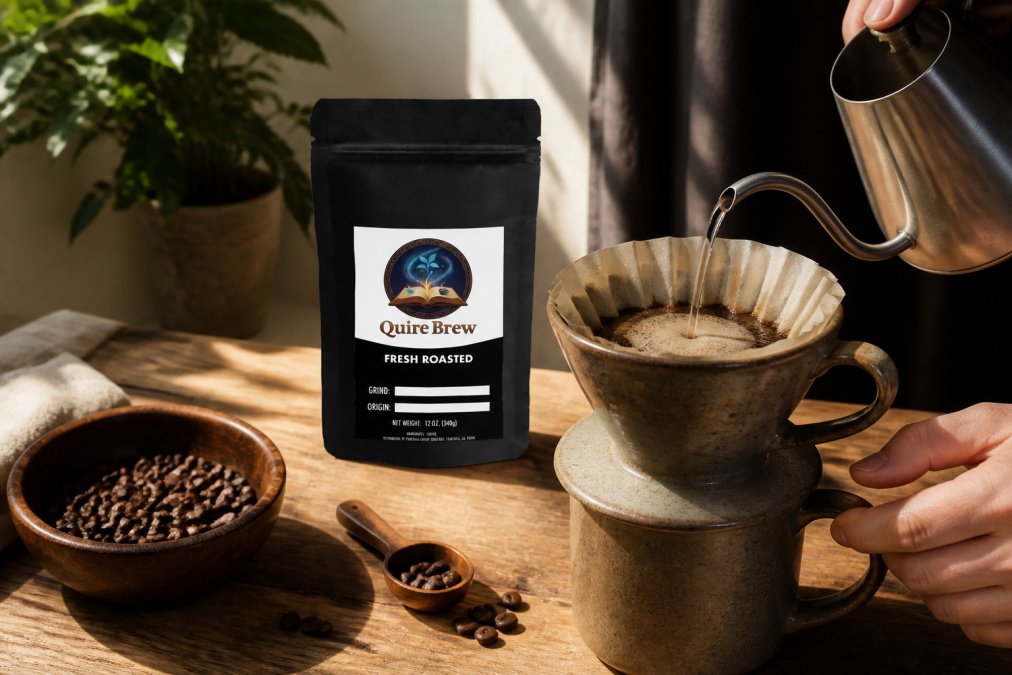
Water Temperature and Bloom Time
Water temperature controls extraction speed. The ideal range for most brewing methods is 195-205°F (90-96°C) (peer-reviewed research). Below 190°F and you under-extract; above 210°F and you over-extract.
The bloom is the first 30-45 seconds of brewing, when you pour just enough water to saturate the grounds. CO2 escapes during the bloom, allowing water to reach coffee particles properly. For pour-over, bloom with 200°F water for 30-45 seconds using about twice the weight of water as coffee grounds. For French press, bloom for 30 seconds before adding the rest of the water.
Brew Ratios for Different Methods
Brew ratio is the relationship between coffee and water, typically expressed as grams of coffee to grams of water. The standard ratio is 1:16 (one gram of coffee to 16 grams of water). For stronger coffee, use 1:15; for weaker, use 1:17.
Using weight ratios ensures consistency. Once you dial in a ratio you like, you can reproduce it exactly every time, tasting the difference between coffees rather than brewing technique.
| Brewing Method | Grind Size | Water Temperature | Brew Ratio | Contact Time |
|---|---|---|---|---|
| Pour-over | Medium | 200°F | 1:16 | 3-4 minutes |
| French press | Coarse | 200°F | 1:15 | 4 minutes |
| Espresso | Fine | 200°F | 1:2 to 1:2.5 | 25-30 seconds |
| AeroPress | Medium-fine | 195°F | 1:16 | 1.5-2 minutes |
How to Store Coffee Beans for Maximum Freshness
Coffee beans are at their peak flavor 2-4 weeks after roasting (peer-reviewed research). Storage after this point slows degradation. The enemies of freshness are light, heat, moisture, and oxygen. Store beans in an airtight container away from direct sunlight and heat sources.
Whole beans stay fresh longer than ground coffee. Once you grind, you expose exponentially more surface area to oxygen. Ground coffee peaks for 15-30 minutes; whole beans last weeks (peer-reviewed research). Grind just before brewing for measurable improvement.
Check the roast date on the bag. Beans roasted 2-3 weeks ago are still in their prime; beans roasted months ago have lost significant flavor.
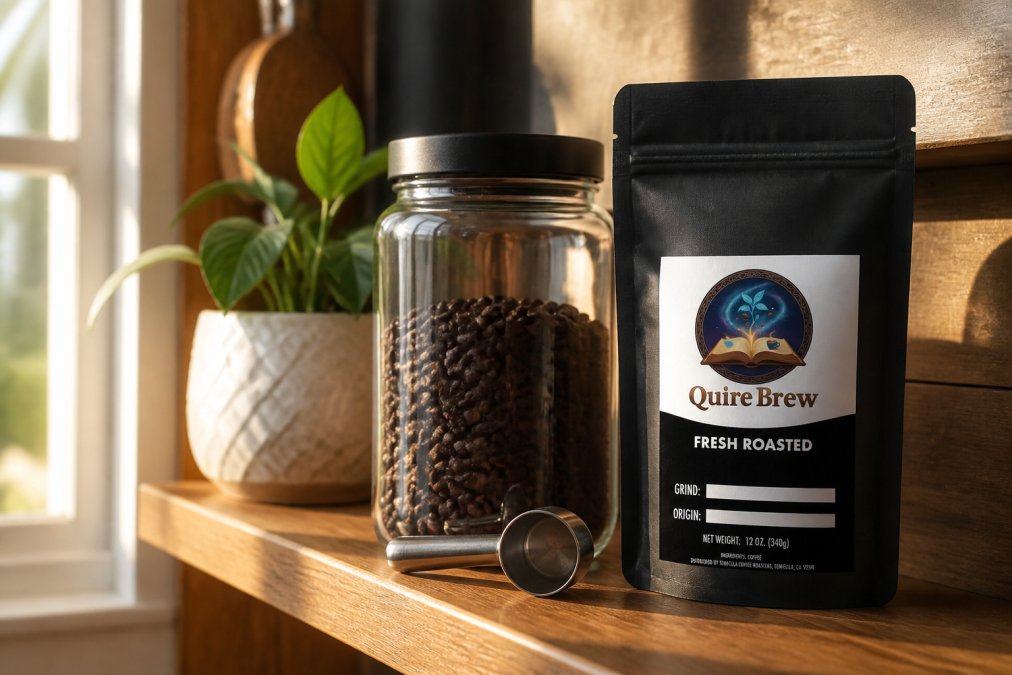
Matching Roast Profiles to Your Brewing Method
Roast level, light, medium, dark, affects flavor and brewing behavior. Light roasts preserve origin characteristics and brightness; dark roasts develop body and reduce acidity; medium roasts balance both.
Light roasts work best for pour-over and AeroPress, which highlight clarity. In French press, light roasts can taste thin. Medium roasts are most versatile, working in any method. Dark roasts excel in French press and espresso, where heavy body and bold flavors shine.
Quire Brew's House Blend and Breakfast Blend are medium roasts, ideal for beginners exploring brewing methods. The 6 Bean Blend is dark roast for espresso. Single-origins like Colombia and Guatemala are medium roasts, offering complexity and balance.

Common Home Brewing Mistakes to Avoid
The most common mistake is using water that's too cool. Water below 190°F under-extracts, leaving sour, weak coffee. Invest in a thermometer or kettle with temperature control.
The second mistake is grinding too fine. Finer grind means faster over-extraction and bitterness, not more flavor. Start with the recommended grind size for your method and adjust only if the cup tastes thin or muddy.
The third mistake is not blooming. Thirty seconds of bloom with a small amount of water fixes uneven extraction.
The fourth mistake is using stale water. If your kettle has been sitting for hours, the water has lost dissolved oxygen. Fresh, recently boiled water brews better.
The fifth mistake is not tasting your coffee. If it tastes sour, you under-extracted; use finer grind, hotter water, or longer contact time. If it tastes bitter, you over-extracted; use coarser grind, cooler water, or shorter contact time.
Choosing artisan coffee blends for home brewing is about matching quality beans to your equipment and taste preferences. Quire Brew's range spans from approachable blends like the House Blend and Breakfast Blend to distinctive single-origins like Kenya and Sumatra. Start with a blend if you're new to specialty coffee; they're forgiving and consistent. Once you understand how grind size, water temperature, and brew ratio affect flavor, explore single-origins to taste terroir directly. Subscribe to Quire Brew's emails to stay updated on seasonal roasts and brewing tips that help you get the most from every cup.
Frequently Asked Questions
What defines an artisan coffee blend?
Artisan coffee blends combine beans from different origins, roast profiles, or processing methods to create balanced, intentional flavor profiles. Unlike mass-produced blends, artisan blends prioritize roast consistency, single-origin traceability, and specific tasting notes. Blends like the House Blend ($18.99) use washed and natural-processed beans from Central and South America to deliver nutty, chocolate, and citrus notes. The goal is flavor balance and complexity that highlights each component rather than masking inferior beans.
How should I store artisan coffee beans to maintain freshness?
Store whole beans in an airtight container away from heat, light, and moisture. Sealed bags with one-way degassing valves work well for short-term storage (2-4 weeks). For longer storage, transfer beans to an opaque, airtight glass or ceramic container kept in a cool, dark cupboard. Avoid refrigerators and freezers, which expose beans to humidity and temperature fluctuations. Whole beans stay fresh longer than ground coffee. Buy only what you'll use within a month to maximize shelf life and flavor quality.
What's the difference between single origin and blend coffee?
Single-origin coffees come from one specific region or farm, showcasing distinct terroir and processing characteristics. Kenya ($18.99) displays bright acidity and floral notes from its specific altitude and soil. Blends combine beans from multiple origins to create balanced, consistent flavor profiles. The House Blend merges Central and South American coffees for smooth, approachable taste. Single-origins highlight complexity and regional identity; blends prioritize flavor harmony. Choose single-origin for exploration and tasting notes; choose blends for reliable, everyday drinking.
What grind size should I use for artisan coffee blends?
Grind size depends on your brewing method. Pour-over requires medium-fine grounds similar to sea salt. French press needs coarse grounds to prevent sediment. Espresso demands fine, consistent grounds for proper extraction. Drip coffee makers work best with medium grounds. For artisan blends, consistency matters more than size. Uneven grinds cause over-extraction (bitter) or under-extraction (sour). Invest in a burr grinder, not a blade grinder, to achieve uniform particle size. Grind immediately before brewing to preserve aroma and flavor complexity.
How does roast level affect brewing artisan coffee at home?
Light and medium roasts (like Colombia or Ethiopia Natural) have higher acidity and require slightly hotter water (195-205°F) to extract bright, fruity notes. Dark roasts (like the 6 Bean Blend at $18.99) have lower acidity and suit slightly cooler water (190-200°F) to avoid over-extraction and bitterness. Medium roasts offer flexibility across brewing methods. Lighter roasts highlight origin characteristics and require precision in grind and water temperature. Darker roasts are forgiving and work well for espresso. Match your water temperature and brew time to the roast profile for optimal extraction.
This article was written using GrandRanker