

Buy Single Origin Coffee Beans Online: 2026 Guide
Table of Contents
- What Single Origin Coffee Beans Actually Mean (and Why It Matters)
- Single Origin vs Blend Coffee: Which One Is Right for You?
- Shop by Region: A Guide to Single Origin Coffee Flavor Profiles
- How to Brew Single Origin Coffee for Maximum Flavor
- Storage and Freshness Science: Keeping Beans at Their Peak
- What the Best Single Origin Coffee Roasters Do Differently
- Using the Flavor Wheel to Choose Your Next Bag
- Conclusion
What Single Origin Coffee Beans Actually Mean (and Why It Matters)
Single origin coffee refers to beans sourced from one specific farm, cooperative, or clearly defined growing region rather than blended from multiple countries or estates. When you buy single origin coffee beans online, you're purchasing a traceable product with a defined flavor identity shaped by geography, altitude, and the hands that harvested it.
This guide from Quire Brew breaks down everything you need to choose, brew, and store single-origin beans with confidence.
How Origin Shapes Flavor: Altitude, Processing Method, and Terroir
Altitude is the single biggest predictor of acidity and complexity in arabica coffee. Beans grown above 1,500 meters develop more slowly, accumulating denser sugars and brighter organic acids. Lower-altitude farms produce softer, earthier cups with less acidity and more body.
Processing method is equally decisive. The washed process strips the fruit before drying, producing cleaner, more transparent flavor profiles. The natural process dries the whole cherry intact, imparting fruity, wine-like sweetness. The honey process sits between them, leaving varying amounts of fruit mucilage on the bean during drying to produce rounded sweetness.
Terroir captures everything else: soil composition, rainfall, shade cover, and microclimatic variation. Two farms in the same region at the same altitude can produce dramatically different cups based on these variables alone.
Reading the Label: Roasting Date, Cupping Score, and Tasting Notes
A roasting date is more useful than an expiration date. Freshly roasted whole bean coffee hits its flavor peak between four and fourteen days after roast. Anything roasted more than six weeks ago is past its window for nuanced single-origin character.
Cupping score is a standardized quality metric from the Specialty Coffee Association's cupping protocols. Scores above 80 qualify as specialty coffee; micro-lot offerings often score 85 or higher. Tasting notes on the label are the roaster's cupping observations, not added flavors.
Single Origin vs Blend Coffee: Which One Is Right for You?
Blends are engineered for consistency. Roasters combine beans from multiple origins to hit a target flavor profile year-round, which is why your grocery store espresso tastes the same in February as it does in August.
Single-origin coffee trades consistency for character. The flavor profile shifts with each harvest, rewarding curiosity and punishing autopilot brewing.
The practical rule: if you drink mostly espresso with milk, a well-constructed blend often performs better. If you brew pour over, drip, or French press and want to taste what a specific place actually produces, single-origin is the obvious choice.
| Criteria | Single Origin | Blend |
|---|---|---|
| Flavor consistency | Varies by harvest | Engineered for uniformity |
| Traceability | Farm or cooperative level | Multi-country, often opaque |
| Best brew method | Pour over, drip, French press | Espresso, milk-based drinks |
| Ideal for | Curious, flavor-focused drinkers | Consistency-first drinkers |
| Cupping score range | Often 82-90+ | Varies widely |
Shop by Region: A Guide to Single Origin Coffee Flavor Profiles
Regional origin is the fastest shortcut to predicting what will end up in your cup. Continent-level patterns hold remarkably well across different farms and harvests.
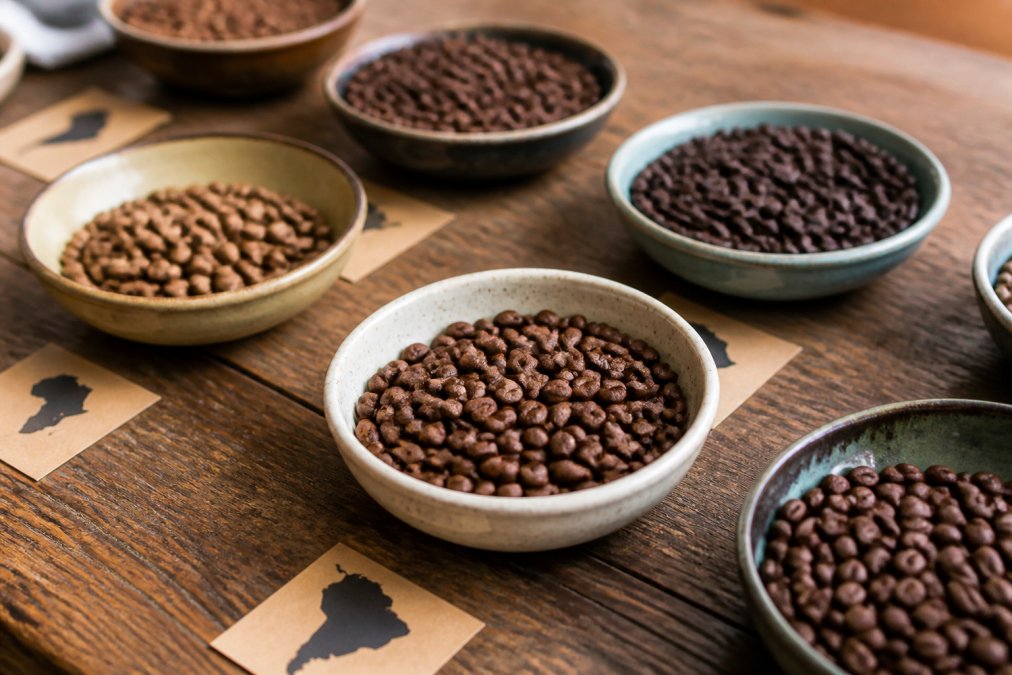
African Origins: Ethiopia, Kenya, and Rwanda
Ethiopia is the genetic birthplace of arabica coffee. Washed Ethiopians from Yirgacheffe and Sidama deliver floral aromatics, bergamot, and lemon zest. Natural-process Ethiopians from Harrar lean into blueberry, dark chocolate, and fermented fruit.
Kenya produces some of the highest-scoring arabicas on the planet, characterized by distinctive blackcurrant acidity and full body. Rwanda's single-origin offerings are elegant: red apple, caramel, and delicate floral notes at medium roast.
African origins are best explored at light to medium roast. Darker roasts erase the terroir-driven complexity that makes them worth the premium.
Latin American Origins: Colombia, Guatemala, and Brazil
Colombia is the safest entry point for new single-origin drinkers: balanced acidity, medium body, and approachable tasting notes of caramel, hazelnut, and mild citrus.
Guatemala's high-altitude Antigua and Huehuetenango regions produce more structured, complex cups with dark chocolate bitterness, dried fruit, and a syrupy body that holds up well in espresso. Brazil is the outlier. Low-altitude, natural-process Brazilian beans are low-acid, heavy-bodied, and nutty, making them the most espresso-friendly single origin available.
Asia-Pacific Origins: Sumatra, Papua New Guinea, and Timor
Sumatran beans, processed using the wet-hulled method, produce a distinctive earthy, herbal, full-bodied cup with low acidity and notes of dark chocolate, cedar, and tobacco.
Papua New Guinea produces coffee that sits between African brightness and Sumatran depth: medium body, mild fruit, and a clean finish that works well in drip brewing. Timor-Leste's offerings are gaining recognition for their organic certification and sweet, chocolatey profile.
How to Brew Single Origin Coffee for Maximum Flavor
Brewing method and origin should be matched deliberately. The biggest waste in single-origin coffee is buying a high-scoring Ethiopian natural and running it through a generic drip machine on a medium-coarse grind.
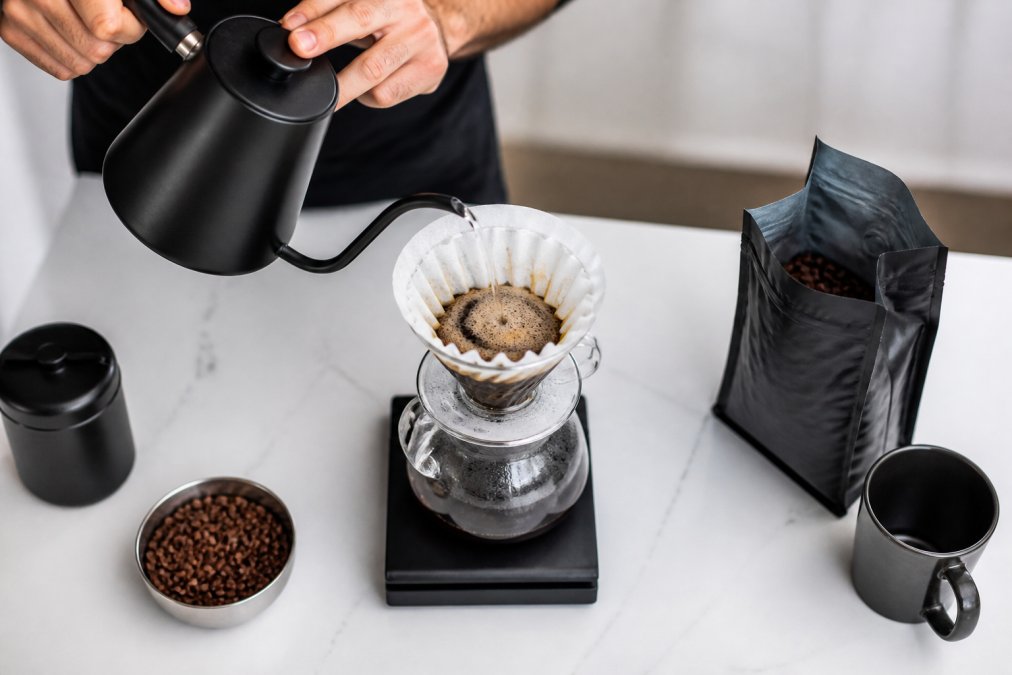
Pour Over and Drip Coffee: Best for Light and Medium Roasts
Pour over is the reference method for single-origin coffee. For washed African and Latin American origins, brew at 200-205°F with a 1:15 coffee-to-water ratio by weight. A 30-second bloom pour lets CO₂ escape before full extraction begins.
Drip coffee machines work well when they reach proper brewing temperature and maintain an even pour pattern. Flat-bottom brewers tend to produce a slightly fuller-bodied cup than cone drippers, which suits Colombian and Guatemalan origins particularly well.
French Press, Espresso, and Cold Brew: Matching Method to Origin
French press extracts through full immersion, producing a heavier body and more oils in the cup. This suits Sumatran and Brazilian origins naturally. Use a coarse grind, 195-200°F water, and a four-minute steep.
Espresso concentrates everything, which means high-acidity African beans can taste harsh under pressure unless roasted to at least medium. Brazilian and Guatemalan single origins pull the most balanced espresso shots. Cold brew, steeped for 12-18 hours at room temperature, mutes acidity and amplifies sweetness, making it excellent for natural-process Ethiopians and Brazilian beans.
According to the National Coffee Association's brewing guidelines, water quality and temperature are the two most controllable variables in home brewing and have the largest measurable impact on extraction quality.
Storage and Freshness Science: Keeping Beans at Their Peak
Coffee bean freshness degrades through four enemies: oxygen, moisture, heat, and light.
Whole bean coffee stays fresh significantly longer than pre-ground because grinding increases surface area exponentially, accelerating oxidation. Grind immediately before brewing whenever possible. For whole beans, an airtight container with a one-way CO₂ valve is the correct storage vessel.
Store beans at room temperature in a dark cabinet. The refrigerator introduces moisture and absorbs odors. The freezer is acceptable only for long-term storage of sealed, unopened bags, and only if you allow the bag to return fully to room temperature before opening.
Roast date is the most important number on any bag. Buy in quantities you can consume within three to four weeks of the roast date, and buy whole bean whenever possible.
What the Best Single Origin Coffee Roasters Do Differently
The best single-origin roasters start with exceptional green coffee and treat roasting as translation, not transformation.
Top-tier roasters name the farm, the processing station, the harvest year, and the cupping score. They visit farms directly and pay above commodity prices to maintain relationships with specific producers. Roast-to-order is another differentiator: the best roasters ship within 24-48 hours of roasting rather than warehousing pre-roasted inventory.
Direct Trade, Fair Trade, and Organic Certification Explained
Direct trade is a sourcing relationship where the roaster buys directly from the farm, typically at a price premium negotiated between the two parties.
Fair Trade is a certified program with audited standards for minimum pricing, labor conditions, and community investment. The Fair Trade USA certification standards require independent audits and guarantee a minimum floor price to farmers regardless of commodity market fluctuations.
Organic certification through the USDA's National Organic Program means the farm uses no synthetic pesticides or fertilizers. Organic certification is expensive for small farms, which means some farms that farm organically cannot afford the certification.
Many of the best single-origin coffees carry multiple certifications, signaling a producer committed to sustainable sourcing at every level.
Subscription Services vs. One-Time Orders: Flexibility That Fits Your Life
A subscription service makes sense if you drink coffee daily and want fresh roast-to-order beans arriving consistently. The best subscription programs let you choose origin, roast level, grind preference, and delivery frequency. The question worth asking: can you pause, skip, or cancel without friction?
One-time orders give you full control but require more active management. They work well for exploratory buying.
At Quire Brew, the fulfillment model is built around convenience without compromise: fast, automated delivery with no inventory burden on the buyer's side.
Using the Flavor Wheel to Choose Your Next Bag
The flavor wheel is the single most useful tool for translating tasting notes into buying decisions.
The Specialty Coffee Association's Coffee Taster's Flavor Wheel organizes flavor descriptors from broad categories at the center (fruity, nutty, roasted) to specific subcategories at the outer edge (blackcurrant, hazelnut, cedar).
Here's how to use it practically:
- Start from what you already enjoy. If you like dark chocolate and low acidity, follow the "nutty/cocoa" branch toward natural-process Latin American and Asia-Pacific origins.
- Use the wheel to decode unfamiliar descriptors. "Winey" signals a natural-process bean. "Bergamot" points to washed Ethiopian.
- Cross-reference roast level. Light roasts preserve outer-ring complexity. Dark roasts collapse flavor toward the center, amplifying roasted and bitter notes regardless of origin.
The challenge most coffee drinkers face isn't access to good beans. It's having a reliable source that ships freshly roasted, traceable single-origin coffee without making the buying process more complicated than it needs to be. Quire Brew's curated selection and fast, automated fulfillment bring artisan-quality beans directly to your door, with the traceability and sourcing standards that justify the ritual you're building around them. Subscribe to our emails to discover new origins, seasonal releases, and brewing guides before they're gone.
Frequently Asked Questions
Q: What does 'single origin' actually mean for coffee flavor?
A: Single origin coffee comes from one specific farm, cooperative, or defined region rather than a blend of beans from multiple countries. Because the beans share the same soil, altitude, and processing method, the flavor profile is more distinct and traceable. You can taste the difference: an Ethiopian washed-process bean often carries bright citrus and floral notes, while a Sumatran natural-process bean leans earthy and full-bodied. Single origin coffee lets you experience what a specific place actually tastes like.
Q: Are single origin coffees better than blends?
A: Neither is objectively better, they serve different purposes. Single origin coffee rewards curiosity: each bag reflects a specific harvest, altitude, and processing method, making it ideal for pour over or drip coffee where nuance shines. Blends are engineered for consistency and work well for espresso, where balance across flavor dimensions matters more than distinctiveness. If you want to explore terroir and tasting notes, single origin is the stronger choice. If you want a reliable, predictable cup every morning, a well-crafted blend delivers that.
Q: How should I store single origin coffee beans to maintain freshness?
A: Store whole beans in an airtight, opaque container at room temperature, away from heat, light, and moisture. Oxygen is the main enemy of freshness, once a bag is opened, beans begin to stale within days if left exposed. Avoid the freezer for everyday use; repeated temperature changes introduce condensation that degrades flavor. Buy in quantities you'll finish within two to three weeks of the roasting date, and grind only what you need right before brewing. Freshly roasted, properly stored beans make a measurable difference in aroma and aftertaste.
Q: How do I identify high-quality single origin coffee when buying online?
A: Look for four things on any product page: a printed roasting date (not a 'best by' date), a named origin down to the farm or cooperative level, a stated processing method such as washed, natural, or honey process, and a cupping score or detailed tasting notes. Specialty coffee is typically scored 80 or above on the Specialty Coffee Association scale. Transparent shipping policies that get beans to you within days of roasting also signal a quality-focused roaster. Vague labels with no roast date are a reliable warning sign.
This article was written using GrandRanker