

Why Single Origin Beans Taste Better: A 2026 Guide
Table of Contents
- Why Single Origin Beans Taste Better Than Blends
- Single Origin vs Blend Coffee: What Actually Changes the Cup
- Coffee Flavor Profiles by Region: The Role of Terroir and Altitude
- How Processing Methods Shape the Taste of Single Origin Beans
- How to Taste Coffee Notes: A Simple Sensory Guide
- Traceability, Direct Trade, and the Cost of Quality
- Common Mistakes to Avoid When Buying Single Origin
- Conclusion: Finding Your Perfect Cup
- Frequently Asked Questions
Last Updated: September 7, 2026
Why Single Origin Beans Taste Better Than Blends
Most coffee drinkers notice something different the first time they try a single origin beans bag: the flavor is louder, more distinct, and unmistakably tied to a place. That difference is not marketing hype. When coffee comes from one farm or region rather than being mixed together, the cup expresses a specific terroir, altitude, and processing method with a clarity that blends intentionally smooth over. The consistent feedback we hear is that drinkers can finally taste the difference between a coffee from Ethiopia and one from Brazil without checking the label.

The reason comes down to transparency. A blend is designed for consistency and balance, while a single origin beans lot is celebrated for its unique character. Below, we will show you exactly how to identify, brew, and appreciate these differences so your next cup delivers the full sensory experience the grower intended.
Single Origin vs Blend Coffee: What Actually Changes the Cup
Single origin vs blend coffee comes down to a fundamental choice between uniqueness and consistency. Single origin beans come from one farm, cooperative, or region within a single harvest, which means the flavor profile reflects that specific place and year. Blends combine beans from multiple origins to create a balanced, repeatable cup that tastes the same every batch.
The practical difference shows up in your cup. A blend might offer a smooth, chocolatey profile that works well with milk, but it rarely surprises you. Single origin beans can taste wildly different depending on the harvest season, and that variability is the point. Specialty coffee drinkers chase those seasonal shifts because they reveal the true character of a coffee varietal.
That said, blends serve a purpose. Roasters blend to achieve consistency, manage costs, and create approachable flavor profiles for daily drinking. Many roasters offer both options because they solve different problems. If you want a reliable morning cup, a blend delivers. If you want to explore what coffee can taste like, single origin beans are the more rewarding path.
Coffee Flavor Profiles by Region: The Role of Terroir and Altitude
Terroir is the single biggest factor separating one origin from another. Terroir covers the soil, climate, rainfall, and farming practices of a specific place, and coffee beans absorb these conditions like a sponge. But the mechanism matters more than the label. A coffee grown at 1,900 meters in volcanic soil will develop more sugars and a denser bean than the same varietal grown at lower altitude, which directly affects acidity and complexity.
The key variable is temperature. For every 100 meters of elevation gain, average annual temperature drops by roughly 1°F. Cooler nights slow the cherry's maturation process, giving the bean more time to accumulate sucrose and complex organic acids. That is why high-altitude coffees from Colombia's Huila department or Ethiopia's Yirgacheffe zone taste brighter and sweeter than the same varietal grown at 800 meters in a hotter valley, where faster maturation produces a flatter, earthier cup.
Soil chemistry plays a secondary but decisive role. Volcanic soils, common in Guatemala's Antigua region and Indonesia's Kintamani plateau, are rich in potassium and phosphorus, which support healthy cherry development. Nitisol soils in Ethiopia's Sidama Zone drain well and retain just enough moisture to prevent stress. In contrast, sandy or degraded soils force the plant to divert energy to survival rather than flavor production, which is why low-quality commodity coffee from any region tastes generically bitter.
Regional characteristics follow recognizable patterns, but the patterns are predictions, not guarantees. African coffees like Kenya and Ethiopia tend toward bright acidity with floral and citrus notes because the combination of high altitude, distinct wet and dry seasons, and traditional washed processing preserves those volatile compounds. Indonesian coffees lean earthy and full-bodied, largely due to the wet-hulling process (giling basah) that is standard in Sumatra and Sulawesi, which introduces a distinctive musty, spice-like character. Latin American coffees often balance sweetness with clean acidity, a result of volcanic soils and the widespread adoption of washed processing on smallholder farms.
The numbers tell the story. Our Ethiopia Natural comes from the Sidama Zone at 1,700-1,900 meters, where the high altitude and nitisol soil produce a cup with milk chocolate, fruity, and caramel notes. Compare that to our Bali Blue from Kintamani at 1,200-1,600 meters, where volcanic loam and wet-hulling create dark chocolate, molasses, and brown sugar flavors. Completely different cups.

A practical takeaway: when you see an origin name on a bag, do not just think of the country. Ask about the specific region, the farm's elevation range, and the soil type. Two coffees from the same country can be as different from each other as a Cabernet is from a Pinot Noir. The altitude and soil data printed on specialty bags are not marketing filler; they are the two most reliable predictors of how the coffee will taste before you brew it.
How Processing Methods Shape the Taste of Single Origin Beans
Processing method is the post-harvest step that transforms coffee cherries into green beans, and it changes flavor more than most drinkers realize. The three dominant approaches are washed, natural, and honey process, each producing a distinct sensory experience. But understanding the process is only half the equation; the other half is knowing which brewing method will let those flavors actually reach your palate.
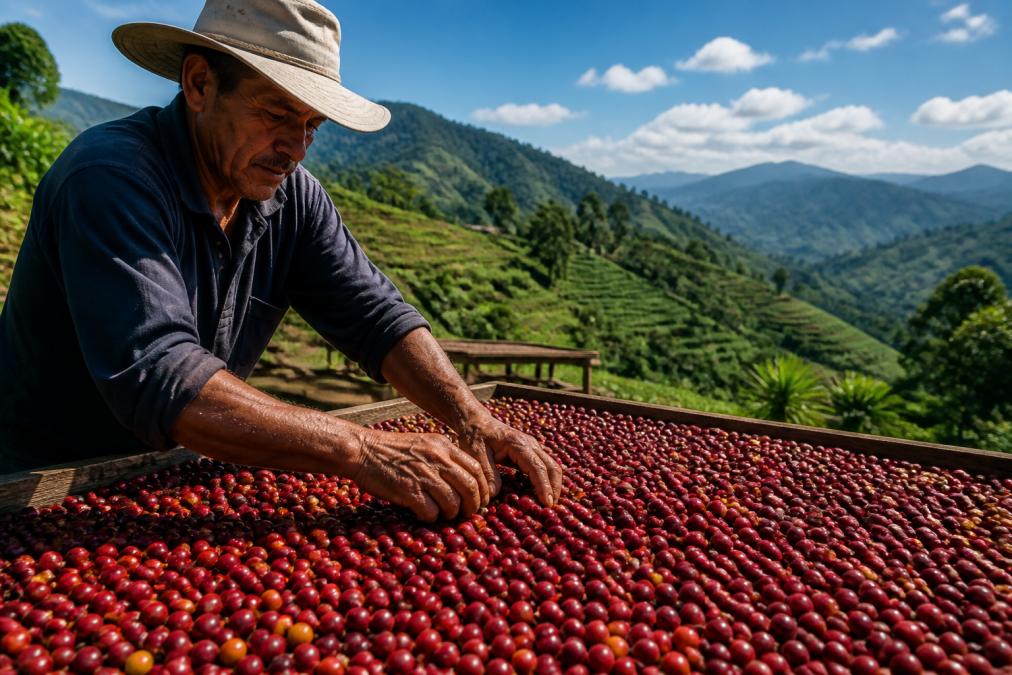
The washed process removes the fruit before drying, resulting in a clean cup where acidity and origin character shine through. Our Kenya lot uses a fully washed process, which is why it delivers bright acidity with orange, lemon, and floral notes. The natural process dries the whole cherry, allowing sugars to ferment into the bean, which creates fruity, wine-like flavors. Our Ethiopia Natural is a full natural lot, sorted by hand and dried on raised beds, explaining its pronounced fruitiness.

The honey process sits between the two: the mucilage (the sticky layer between the cherry skin and the bean) is left partially or fully intact during drying. This adds sweetness and body without the full fermentation intensity of a natural. A yellow honey process from Costa Rica's Tarrazú region, for example, will taste cleaner than a natural but sweeter than a washed coffee from the same farm.
The brewing method determines whether you actually taste those processing differences. A French press uses a metal mesh filter that lets natural oils and fine particles through, which amplifies body and mouthfeel. That makes it ideal for natural-process coffees like our Ethiopia Natural, where the heavy, syrupy texture complements the fruity notes. But the same French press will muddy the delicate floral acidity of a washed Kenya, because the oils coat your palate and mask the bright, tea-like finish.
A V60 or other pour-over cone uses a paper filter that strips out most oils, producing a cleaner, more transparent cup. This is the best choice for washed-process coffees, where you want to taste the acidity and origin character without interference. Our Kenya lot, with its orange and lemon notes, is often preferred through a V60 than through a French press. The paper filter lets the bright acidity cut through cleanly, while the same coffee in a French press can taste heavier and lose some of its citrus sparkle.
For honey-process coffees, an AeroPress or a Chemex offers a middle ground. Both use paper filters but allow for different extraction pressures and brew times, giving you control over how much body you retain. A medium-fine grind in an AeroPress with a 2-minute steep will highlight the sweetness of a honey process without flattening its complexity.
A common mistake is assuming the roast level, not the process, controls the flavor. Roast level matters, but it cannot create flavors that were never in the bean. A lightly roasted natural-process coffee will taste fruity; a dark roast of the same lot will taste smoky but still carry that underlying sweetness. Understanding the processing method helps you predict the flavor profile before you brew, and choosing the right brewer ensures you do not pour that flavor down the drain.
How to Taste Coffee Notes: A Simple Sensory Guide
Tasting coffee notes is a skill anyone can develop with a simple cupping routine. Cupping is the standardized method professionals use to evaluate aroma, acidity, body, mouthfeel, and flavor. You do not need special equipment beyond a grinder, hot water, and a spoon.
Start by grinding coarse and smelling the dry grounds. Then add hot water and break the crust with your spoon, inhaling deeply as the aromas release. Once the coffee cools, slurp it loudly to aerate it across your palate. Notice the acidity first, then the body, then the lingering finish. Write down what you taste without overthinking it; comparison to familiar foods like berries, chocolate, or citrus is how tasting notes develop.
A useful framework is to evaluate three dimensions: acidity (brightness or sharpness), body (weight and mouthfeel), and flavor (specific tasting notes). Our Brazil Santos, a pulped natural lot from Fazenda Santa Barbara, offers an elegant, smooth cup with cocoa notes that makes a great training coffee because its profile is approachable and consistent. Practice with one origin for a week and you will start recognizing its signature.
Traceability, Direct Trade, and the Cost of Quality
Single origin beans cost more because traceability costs more, and that money reaches the people who grow the coffee. When you buy a blend, the supply chain often obscures which farms contributed to the bag. Single origin lots name the grower, region, altitude, and process, creating accountability from farm to roaster.
Direct trade relationships shorten the chain between farmers and roasters, allowing higher prices to flow back to producers. This economic model supports sustainability because farmers who receive fair compensation can reinvest in their land and communities. The Specialty Coffee Association research on sustainability has documented how transparent supply chains correlate with better environmental practices and higher quality yields.
The price difference reflects real costs. A micro-lot from a single farm involves separate harvesting, processing, and storage, which is more labor-intensive than pooling cherries from many farms. When you pay more for single origin beans, you are funding a system where growers can afford to prioritize quality over volume. The World Coffee Research on agricultural practices notes that higher farm-gate prices enable investments in soil health and plant stock that directly improve cup quality.
Common Mistakes to Avoid When Buying Single Origin
The biggest mistake buyers make is assuming expensive automatically means better. Price signals quality only when you know the farm, altitude, and process behind the bag. A $20 bag from a documented farm often outperforms a $30 bag with no traceability information.
Another common error is buying stale beans. Coffee loses flavor rapidly after roasting, so check the roast date, not just the best-by date. Whole beans stay fresh longer than pre-ground, so grind at home when possible. A burr grinder and a simple pour-over setup will reveal more flavor than an expensive espresso machine with stale pre-ground coffee.
A third mistake is ignoring the roast level relative to the origin. Delicate African coffees with floral and citrus notes are best roasted light to preserve their character. Heavy Indonesian coffees can handle darker roasts without losing their identity. If you buy a light-roasted Kenya from one roaster and a dark-roasted Kenya from another, you are tasting the roaster's choice as much as the origin.
Conclusion: Finding Your Perfect Cup
Finding the right single origin beans requires experimentation, but the reward is a daily cup that connects you to a specific place and the people who farm it. Start with a Single Origin Favorites Sample Pack to taste several regions side by side, then explore the Ethiopia Natural if you want fruity sweetness or the Kenya if bright acidity appeals to you. Each bag from Quire Brew includes full traceability details, so you know exactly where your coffee came from and how it was processed.
The challenge is not finding good coffee; it is learning to recognize what makes a particular origin exceptional. Quire Brew offers a curated selection of traceable single origin beans and fast home delivery. Our brewing guidance helps you taste the difference. The National Coffee Association's brewing guides offers additional resources for refining your technique. Subscribe to our emails for new arrivals and tasting notes delivered straight to your inbox, and start each day with a cup that carries the story of its origin.
Frequently Asked Questions
Is single origin coffee always better than a blend?
Not always, but single origin beans offer something blends rarely do: a distinct sense of place. A single origin cup comes from one farm or region, so its flavor profile is a direct reflection of that terroir. Blends are designed for consistency and balance, which is valuable, but they often lack the unique tasting notes that make single origins exciting. If you want to explore complex flavors like the bright, citrusy acidity of a Kenyan bean, single origin is the way to go.
Why is single origin coffee more expensive than blended coffee?
The higher price of single origin coffee reflects its traceability and quality. These beans often come from specific micro-lots and are purchased through direct trade relationships that pay farmers more for their work. Blends, in contrast, can mix cheaper beans from various origins to hit a target cost. With single origin, you are paying for a transparent supply chain and a harvest that tastes unique to its region, not just a consistent, mass-produced flavor.
How does geography affect the flavor of coffee beans?
Geography, or terroir, is the main reason single origin beans taste different from one another. Altitude, soil type, and climate all change how the coffee cherry develops. High-altitude beans, like those from Ethiopia or Kenya, grow slower and develop more complex sugars, leading to brighter acidity and floral notes. Lower-altitude beans, like those from Brazil, tend to have a heavier body and nutty or chocolate flavors. This is why coffee flavor profiles by region vary so dramatically.
What should I look for when buying single origin coffee?
Look for specifics on the bag: the origin country, the farm or cooperative, the coffee varietal, the processing method, and the altitude. These details tell you about the flavor profile before you even brew. For example, a washed process from Kenya will taste cleaner and brighter, while a natural process from Ethiopia will be fruitier. If you are just starting, try a sample pack to compare different regions and find the tasting notes you enjoy most.